

Technology
Sensors
Thermal sensors: Detection of warm bodies, intrusion detection.

Camera systems: High-resolution cameras for visual surveillance.
Infrared sensors: For monitoring in low-light conditions or at night.

Motion sensors: For detecting movement in the surrounding area.
Navigation and Mobility
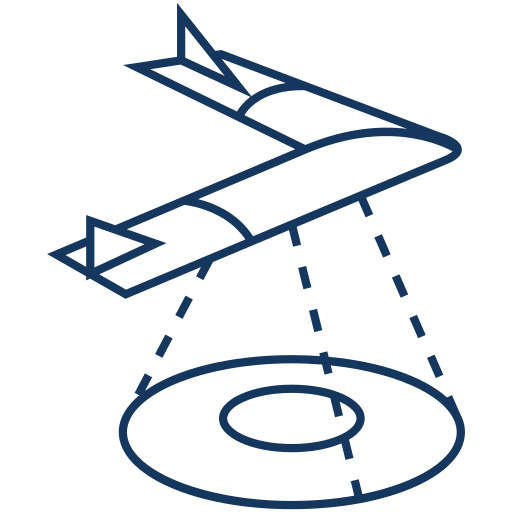
LiDAR (Light Detection and Ranging): Laser-based technology for navigation and mapping.

Ultrasonic sensors: For obstacle detection and navigation in confined spaces.

Wheels or tracks: Mechanisms for efficient and agile mobility.
GPS systems: For precise location tracking.
Artificial Intelligence (AI) and Machine Learning

Pattern recognition: Learns and adapts to patterns.

Object recognition: Enables the robot to identify objects.
Anomaly detection: Detects unusual or suspicious activities.
Communication

Two-way audio: Communication between operators and units in the monitored area.

Wi-Fi / cellular connectivity: For remote data transmission and command reception.
Autonomous Operation

Obstacle avoidance: Ability to navigate around obstacles without human intervention.

Navigation algorithms: Algorithms for navigation and patrol along predefined routes.
Human–Computer Interaction

Control panel: Interface for manual control or programming.

Voice commands: Enables verbal commands and feedback.
Physical Security Features

Tamper detection: Triggers an alert if someone attempts to interfere.

Locking mechanisms: Secure access to internal components.
Remote Monitoring and Control

Live streaming: Enables real-time monitoring via the robot’s cameras.

Remote control interface: Manual control when required.
Integration with Other Security Systems

Alarm integration: Works in conjunction with alarm systems.

Access control integration: Integration of access control systems.
Energy Management

Battery technology: Efficient and long-lasting batteries for extended operation.